Introduction: The Shift to Digital Diagnosis
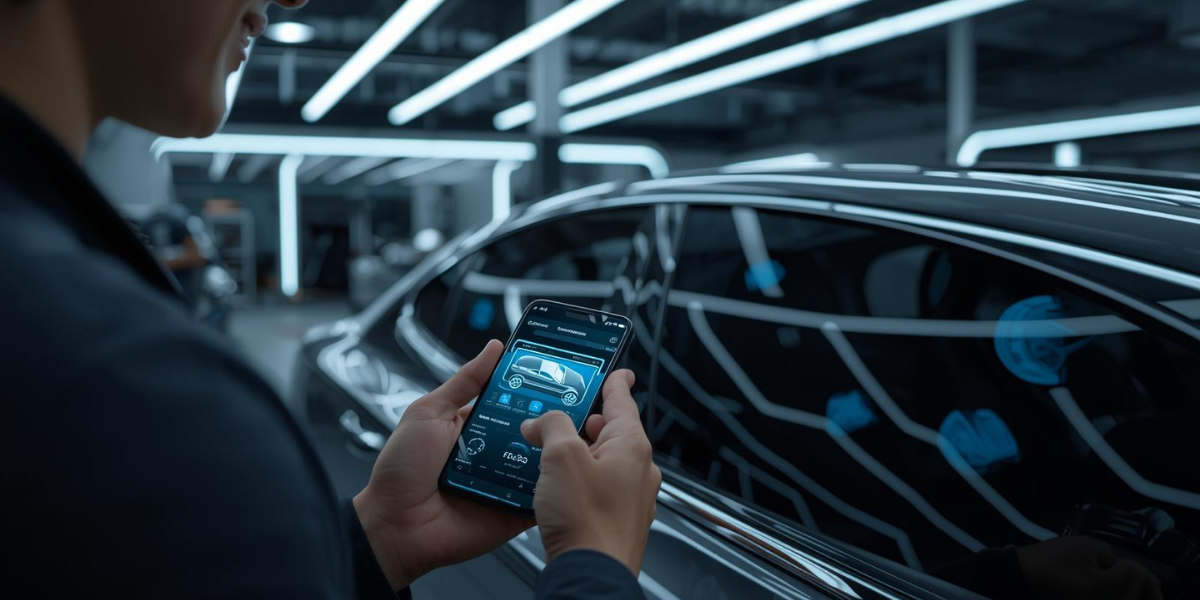
In the past, diagnosing a vehicle’s problems required extensive mechanical expertise, countless hours of manual inspection, and often trial-and-error approaches that consumed both time and money. Today, however, technology has transformed the way mechanics and car owners approach vehicle health. At the heart of this transformation are digital car scanners, compact devices that connect to a car’s onboard diagnostics system (OBD). These scanners give real-time insights into a car’s performance, identifying issues quickly and accurately. From professional workshops to DIY car enthusiasts, digital scanners are now an indispensable tool, reshaping how we understand, maintain, and repair vehicles in the modern age.
How Digital Car Scanners Work
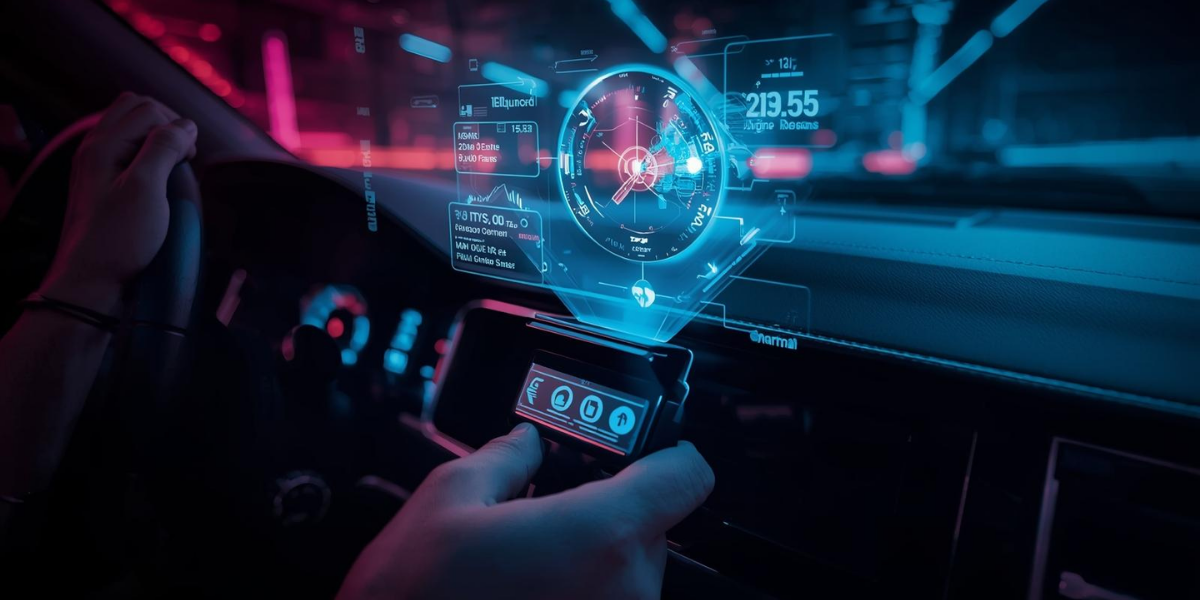
Modern vehicles are equipped with onboard diagnostic systems (OBD-II), which continuously monitor various sensors and components across the engine, transmission, emissions, and electrical systems. A digital car scanner plugs into the OBD-II port—usually located under the dashboard—and communicates with the vehicle’s computer. Within seconds, the scanner can retrieve diagnostic trouble codes (DTCs), which highlight specific problems such as a misfiring cylinder, faulty oxygen sensor, or transmission issues. Many advanced scanners also display live data like fuel efficiency, air-fuel ratios, and even temperature readings, allowing mechanics to see exactly how the car is performing in real time. This instant access to information eliminates guesswork and ensures that the root cause of an issue is identified quickly.
The Benefits of Using Digital Car Scanners
The advantages of digital car scanners extend beyond professional mechanics—they also empower everyday car owners. For workshops, these devices drastically reduce diagnostic time, improve accuracy, and enhance customer trust by providing clear data-backed explanations. For car owners, scanners offer peace of mind by giving insight into a vehicle’s health without waiting for breakdowns to occur. Some scanners even connect to smartphone apps, making it easy for drivers to track maintenance schedules, monitor long-term vehicle performance, and detect small problems before they become major repairs. Ultimately, digital car scanners save both time and money while extending the lifespan of vehicles through proactive care.
Common Issues Detected by Digital Scanners
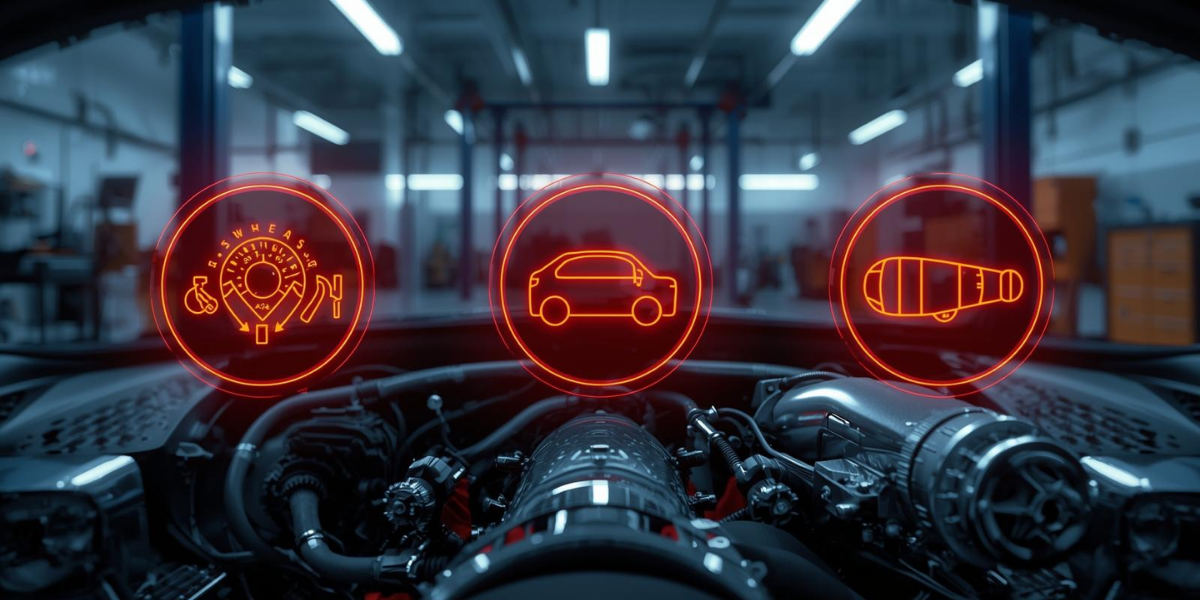
Digital car scanners can detect a wide range of issues that may otherwise go unnoticed until they cause serious damage. Engine misfires, exhaust system faults, fuel injector problems, and sensor malfunctions are among the most common alerts. For example, a scanner can pick up on an oxygen sensor failure long before it causes a drop in fuel economy or damages the catalytic converter. Transmission issues, overheating, and even minor electrical faults can be spotted early, helping drivers avoid expensive repairs down the line. Additionally, by monitoring emissions, scanners help ensure vehicles meet environmental standards, which is increasingly important in today’s eco-conscious world.
Choosing the Right Digital Car Scanner
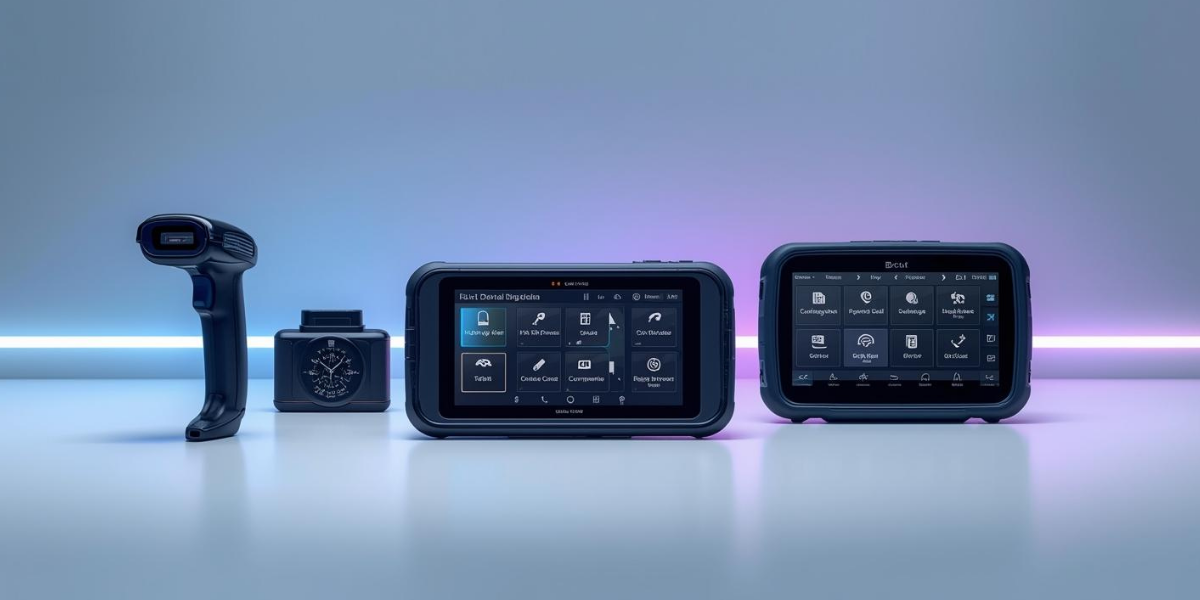
With countless models available in the market, choosing the right scanner depends on the user’s needs. Basic scanners are affordable and ideal for car owners who simply want to read and clear trouble codes. More advanced devices, often used by workshops, provide detailed real-time data, manufacturer-specific codes, and enhanced diagnostic features like ABS or airbag checks. Wireless scanners that sync with smartphones are particularly popular, offering portability and easy-to-read interfaces. Regardless of the type, investing in a reliable scanner is crucial for accuracy and durability. A quality scanner is not just a tool—it’s a long-term investment in vehicle health and performance.

Conclusion: The Future of Vehicle Diagnostics
Digital car scanners are more than just a convenience—they represent the future of automotive maintenance. As vehicles become increasingly sophisticated, the ability to quickly and accurately interpret data is essential. For mechanics, scanners streamline workflows and increase customer satisfaction. For car owners, they provide empowerment and confidence in managing vehicle health. With the rise of connected cars and smart diagnostics, the next generation of scanners will likely integrate AI and cloud technology, making them even more powerful. In essence, embracing digital car scanners today is a step toward smarter, safer, and more efficient driving tomorrow.